01
Sound label
Choose a plain word without assigning a mechanical cause.
Sheet 36 / Diagnostic set
Connect bang, whistle, hum, vibration, tapping, or gurgling to the action before it.
Bang, hum, whistle, tapping, vibration, and gurgling describe sound; they do not name a failed component. The best evidence is the exact action, location, duration, and flow state.
Call about the symptom877-702-1610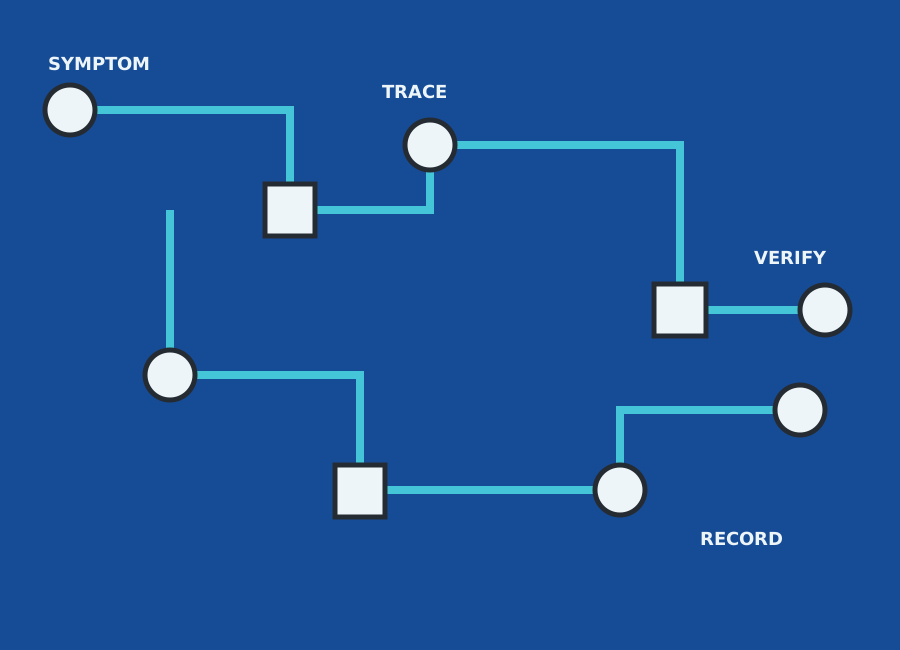
Identify the symptom
Each note describes an action, not a diagnosis. Leave unsupported branches open.
Choose a plain word without assigning a mechanical cause.
Name the handle, flush, appliance, valve, or flow change immediately before.
Mark the room and surface without opening a wall or entering confined space.
Separate one impact from a continuing tone or repeating pulse.
Add new fixtures, service, meter, pressure, or appliance work to the sequence.
Trace the source
Capture a short recording from a safe place if useful, but do not repeat an overflow-prone or leak-producing trigger. Ask what measurement or observation supports the proposed work.
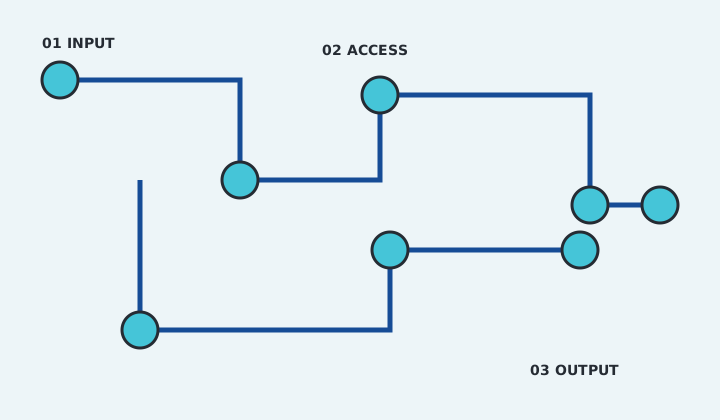
Repair route and access map
Keep the original trigger, finding, access point, completed adjustment or repair, comparison under the same safe condition, and any sound not addressed.