01
Overhead route
Note the joist, pipe, ceiling, or penetration where water first appears above.
Sheet 38 / Diagnostic set
Separate overhead plumbing, wall entry, floor rise, equipment, drainage, and unsafe access.
Active basement water can descend from plumbing, enter at a wall, rise at the floor, leave equipment, return through drainage, or follow another route. Avoid flooded, contaminated, confined, or electrically unsafe space.
Call about the symptom877-702-1610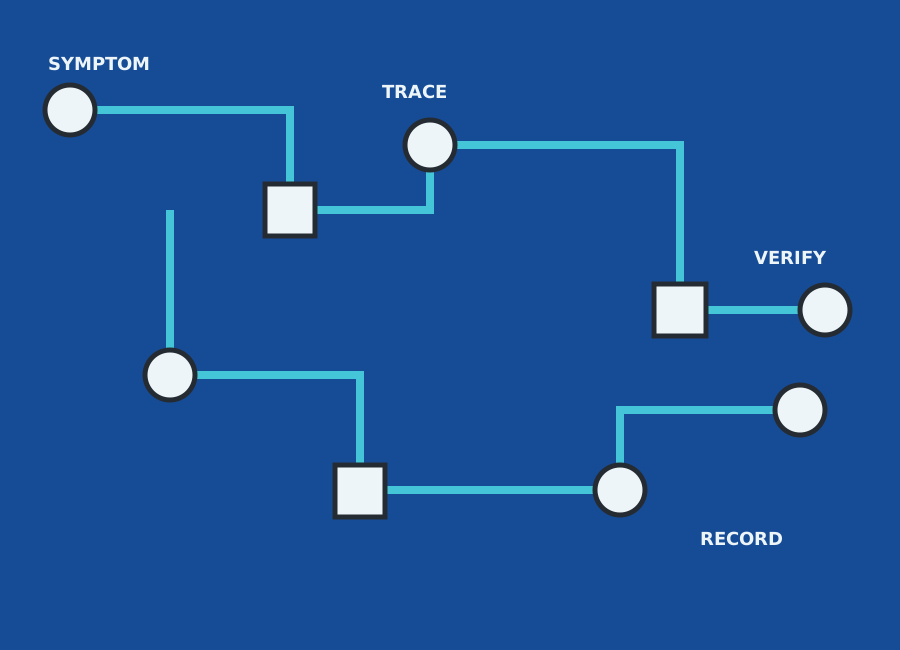
Identify the symptom
Each note describes an action, not a diagnosis. Leave unsupported branches open.
Note the joist, pipe, ceiling, or penetration where water first appears above.
Mark height and spread without entering a wet or structurally uncertain area.
Describe seepage, drain return, or pooling location without wading through water.
Keep clear of heaters, pumps, panels, appliances, and cords near moisture.
Preserve a dry, unobstructed path for occupants and responders.
Trace the source
From a safe boundary, mark elevation, first wet point, direction, fixture or weather timing, equipment nearby, drain condition, and known controls. Let qualified parties choose access and responsibility.
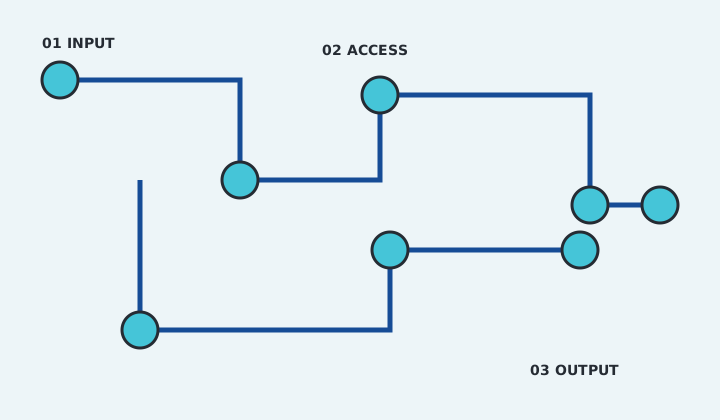
Repair route and access map
The closeout plan should distinguish plumbing repair, public-system contact, pumping, contaminated cleanup, drying, electrical review, material work, and monitoring.